
How Mobile Money is Transforming Rent Collection in Uganda
With over 30 million Mobile Money accounts active across Uganda, the way rent is collected has changed forever. We explore what this means for landlords and tenants.
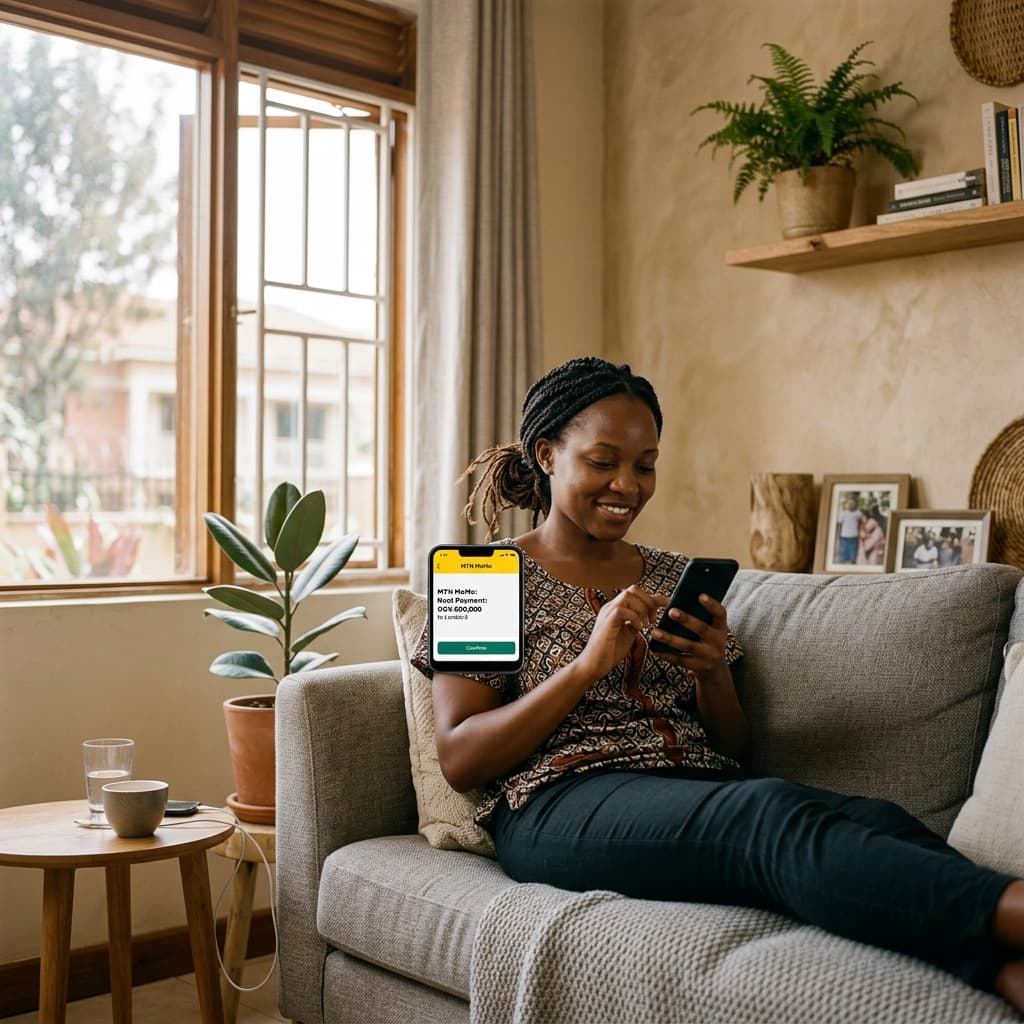
Ten years ago, collecting rent in Kampala meant a monthly routine: landlords would visit each tenant in person, collect cash, write a receipt in a notebook, and hope nothing was lost in transit. It was time-consuming, insecure, and impossible to scale. Today, that reality is rapidly disappearing.
The Mobile Money Revolution
Uganda has one of Africa's fastest-growing Mobile Money ecosystems. MTN Mobile Money and Airtel Money together service over 30 million active wallets, roughly 70% of the adult population. This infrastructure, originally built for small peer-to-peer transfers and utility payments, has quietly become the backbone of Uganda's informal rental economy.
Landlords in Ntinda, Najjera, and Muyenga report that more than half of their tenants now pay rent via MTN MoMo. In Kampala's central business district, that figure is even higher. Tenants prefer it because they can pay from anywhere, with no need to queue at a bank or carry large sums of cash through the city.
What Changes for Landlords
Mobile Money payments create a digital paper trail that cash never could. Each transaction has a timestamp, a transaction ID, and a sender reference. For a landlord managing ten or more units, this is transformative. Instead of cross-checking handwritten notebooks, you can pull a full payment history in seconds.
- •Instant confirmation: know the moment rent arrives without checking your phone manually
- •Automatic records: every MoMo transaction is logged and retrievable for up to 90 days
- •Dispute resolution: transaction IDs settle "I already paid" disputes definitively
- •Reduced fraud: fake receipts become worthless when the real record is in the telecom ledger
- •Remote management: collect rent from a property in Entebbe while you are in Nairobi
The Remaining Pain Points
Despite the clear advantages, Mobile Money alone does not solve every problem. Transaction fees (typically 0.5–1.5% per transfer) add up for landlords receiving many small payments. Reconciliation is still largely manual, and most landlords receive MoMo notifications and manually record them in a spreadsheet or notebook. And there is still no native way to automate reminders, charge late fees, or connect payments to lease agreements.
This is exactly the gap Xabira is designed to fill: connecting Uganda's Mobile Money infrastructure to a full property management system, so that payments flow in and accounts update automatically, with no spreadsheet needed.
Looking Ahead
The Bank of Uganda and the Uganda Communications Commission have both signalled intent to deepen financial infrastructure over the coming years. Open Banking APIs, interoperability between telecoms, and lower transaction costs are all on the horizon. For landlords who invest now in digital-first management practices, the compounding advantage over the next decade will be significant.
Uganda's rental market is not waiting for permission to modernise. The tools are here. The question is which landlords will use them.
Ready to modernise your portfolio?
Join landlords across Kampala who are managing properties the smarter way.
Request Early Access